Home > Company > Corporate Social Responsibility

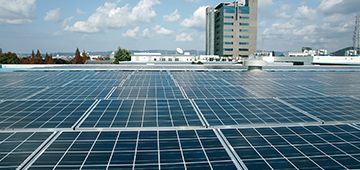
The Company has incorporated global environmental protection into the SHIMA SEIKI Group Code of Conduct. Accordingly, we recognize the promotion of environmentally aware business activities and compliance with all environment-related laws and regulations as top management priorities. The production division is promoting energy conservation, striving to reduce average annual energy consumption by 1% or more. We have introduced a large-scale solar-powered generation system at the Company's FA Building No. 2 assembly plant. This step boosts combined photovoltaic output of the SHIMA SEIKI Group's production plants to 1,330kW-one of the highest outputs for a Japanese private enterprise. We are thus effectively realizing a 7% reduction in power consumption through deployment of natural energy resources. Other SHIMA SEIKI energy saving initiatives include installation of thermal storage air-conditioners, adoption of lighting systems using inverters and reuse of dissipated heat from machine tools.

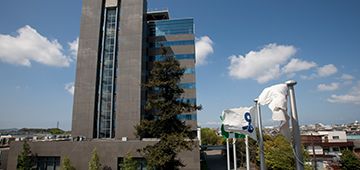
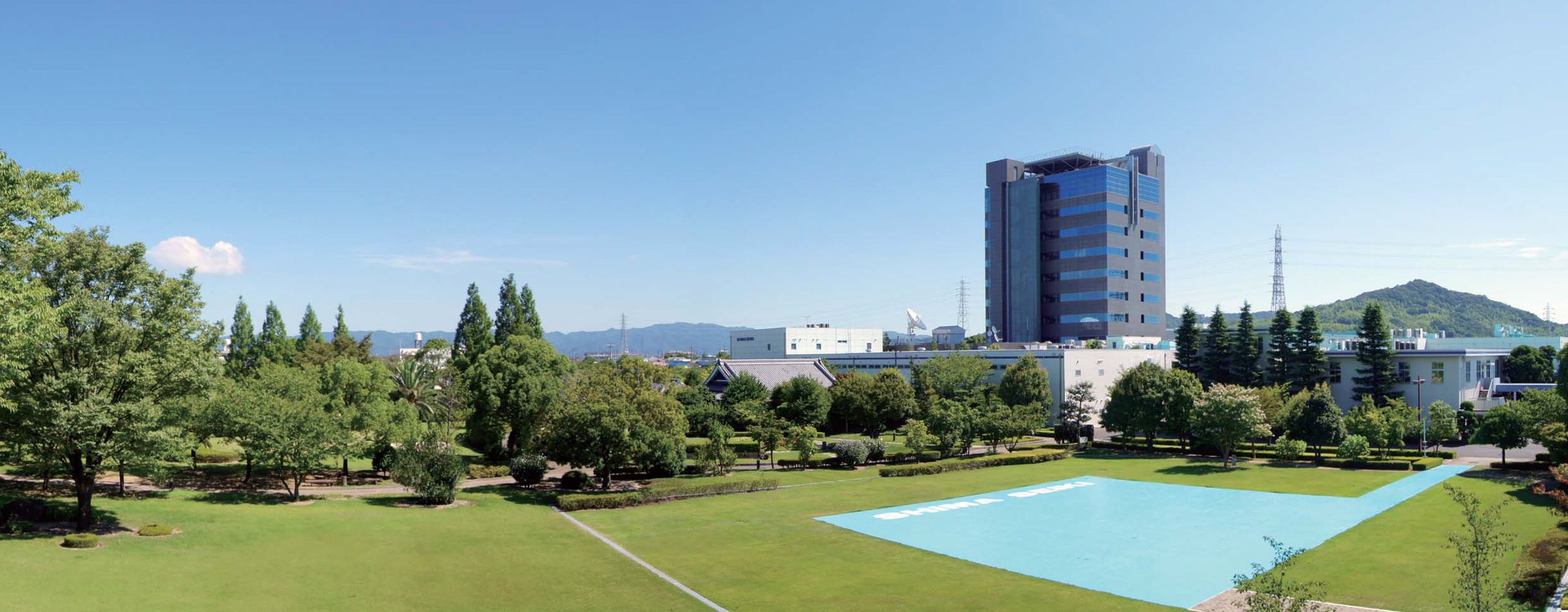
The Company's efforts to promote greenery at its factories have yielded a 32% green area ratio for its 88,000 sq. meters of factory grounds. We have also planted some 12,000 trees, as part of our efforts to contribute to CO2 reduction. In October 2007, SHIMA SEIKI received the Outstanding Green Development Factory Award from the Minister of Economy, Trade and Industry (MITI) for its overall efforts to promote the greening of factories and its contributions to regional greening. In the future, the Company will continue to promote and preserve the green development of its factories. Further, we will strive to improve such facilities as surrounding roadways, street lighting and pedestrian walkways. We have also installed illuminations around the Head Office building, with additional crime-prevention benefits. Through such initiatives, we aim to contribute to local communities.

As a pioneer and leading company in its field, SHIMA SEIKI operates its "Knit Museum" as a further contribution to the knit apparel industry.
The Knit Museum features an overview of textile machinery, knitting machines and glove knitting machines, introducing visitors to the past history and current advancements in flat knitting technology, as well as new business model proposals for the future of the industry. We wish to provide visitors with an opportunity to see and touch actual machines and understand the workings of manufacturing knitwear.
In April of 2009, in order to expand the appeal of the museum to a broader audience, the museum was reopened as the "Knit and Toy Museum," and includes a display of antique toys of "the good old days" when children were more innocent and grew up with toys that nurtured curiosity and imagination that can no longer be had with today's electronic toys.
With the fusion of knit and toy displays, we hope that children can learn to appreciate the creativity and fun involved in making things by cultivating their intellectually inquiring minds.